


A practical guide to impregnating oils, hard oils, waxes and physical color samples for natural wood furniture
The color of wood cannot be judged accurately from a screen alone. The same shade may look different on oak, ash or pine, and it also changes depending on sanding, the number of coats and the lighting in the room.
Borma Wachs is an Italian manufacturer of materials for professional wood protection and finishing with more than 95 years of experience. The brand’s range includes impregnating products, oils, waxes and decorative finishes that help not only protect wood but also choose the right shade for furniture, parquet, facades or restored surfaces.
At MebWood, customers can view Borma Wachs color samples before ordering furniture or selecting a protective finish. This is especially important for solid oak furniture, where color, texture and final treatment shape the overall impression of a table, chair, bed or custom-made furniture piece.
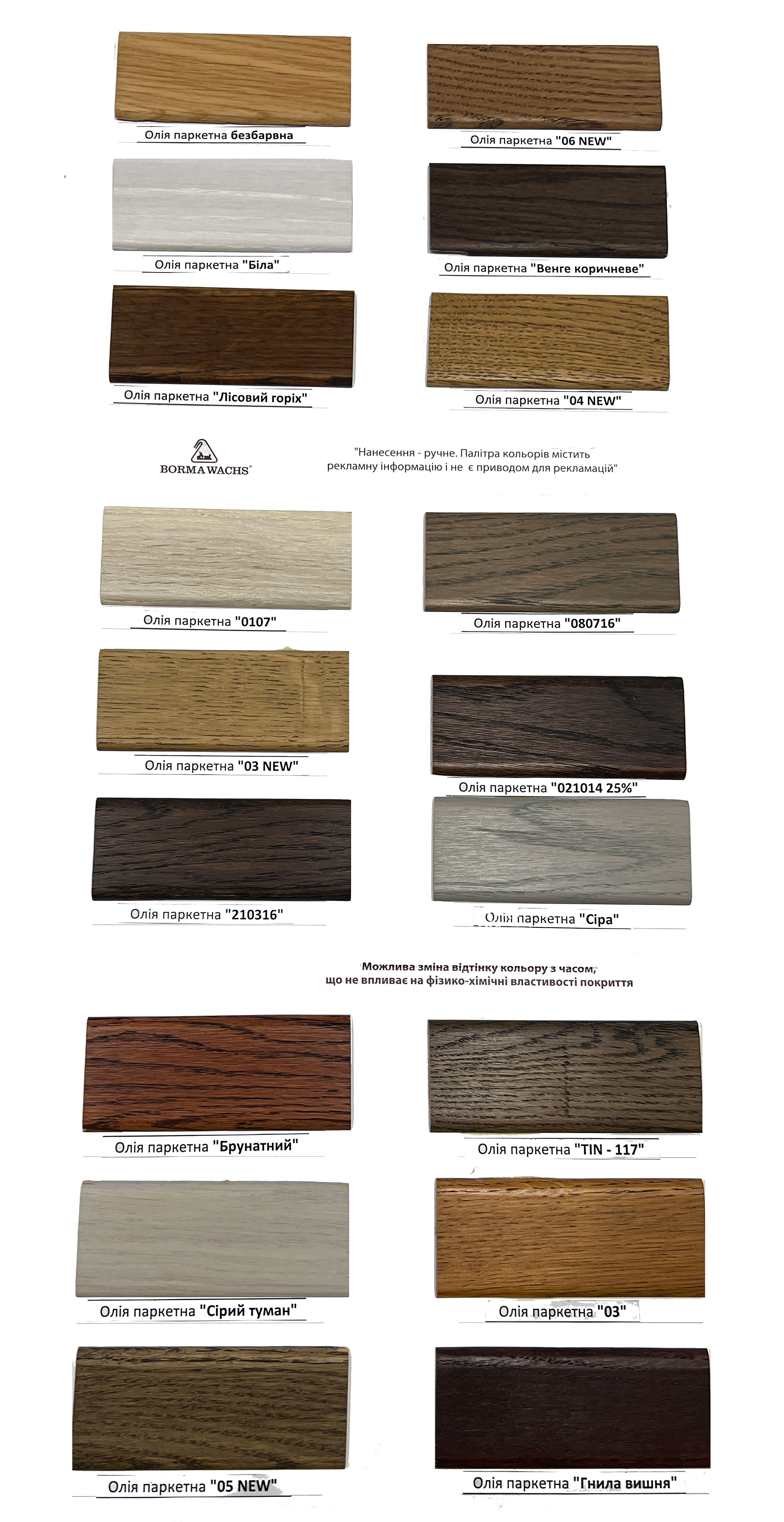
Which Borma Wachs Products Have a Color Range?
Borma Wachs color options are available for several main product groups. They differ by purpose, application method, level of protection and the way they emphasize the structure of wood.
An impregnating oil for wood with a palette of natural, warm, dark and grey shades. Popular options include natural, bleached oak, dark oak, walnut, dark walnut, cherry, mahogany, rosewood, grey, light grey and black.
A hard finishing oil for actively used surfaces such as tabletops, floors and furniture elements. It can be used in clear or colored versions depending on the task.
A decorative finish with a color palette and tinting options. This format is suitable when the goal is not only to protect wood but also to give it a more expressive decorative character.
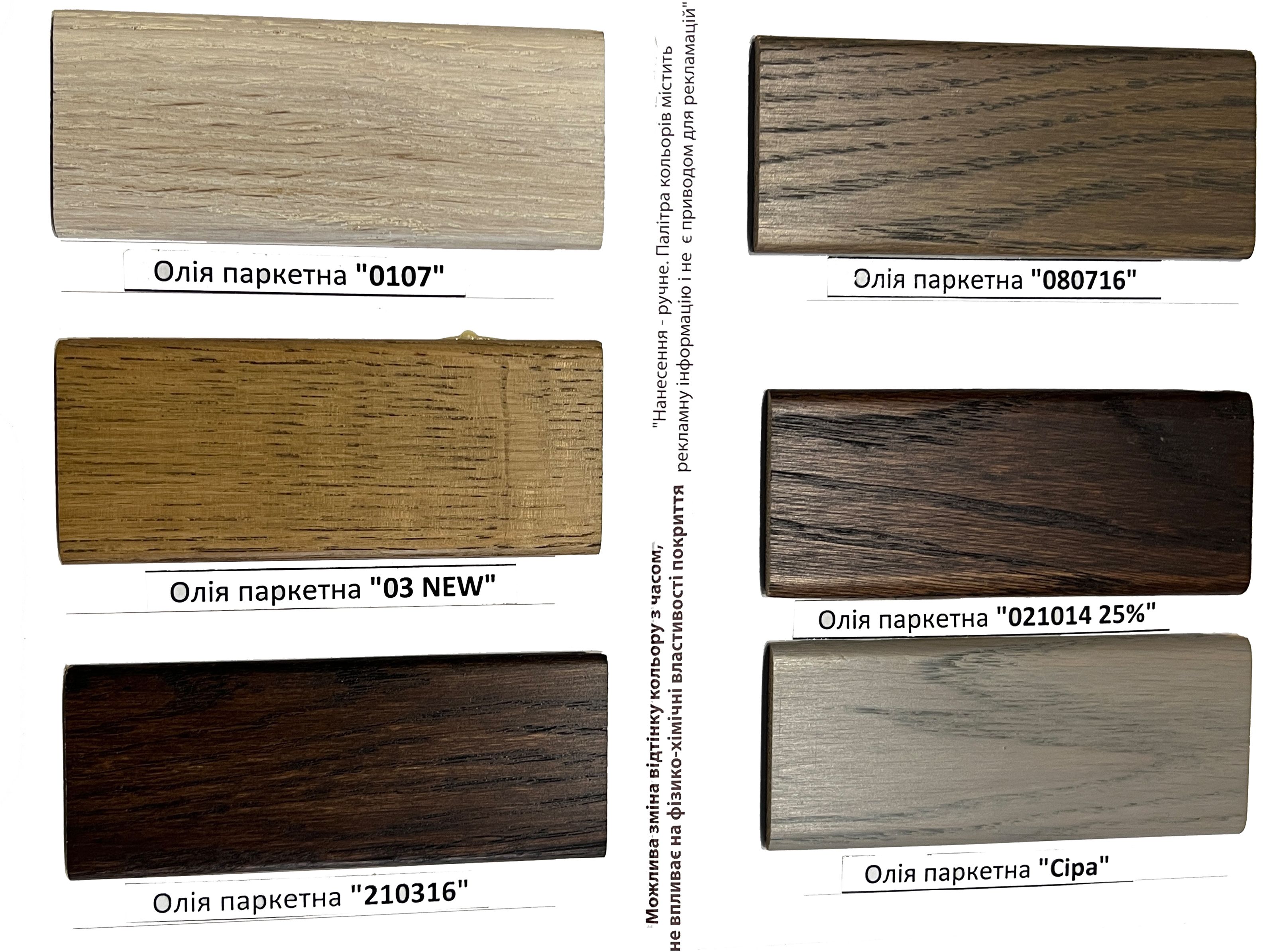
Why You Should Not Choose a Color by Photo Only
A photo of a sample may give a general idea of the tone, but it cannot show all nuances. A smartphone or laptop screen changes color temperature, contrast and saturation. In addition, the same shade may look warmer, cooler, lighter or deeper on different wood species.
On oak, a finish often highlights the relief texture and pores. On ash, the grain may look more contrasting. On pine, the color may appear less even because of the different density of the fibers. That is why physical samples on real pieces of wood remain the most reliable way to approve the final shade.
What Affects the Final Wood Shade?
Even a high-quality finish does not behave the same way on every surface. The final result depends on wood preparation, the number of coats, the species of wood, lighting and even the type of final care.
- Wood species. Oak, ash and pine have different density, grain structure and natural base tone.
- Number of coats. Each additional coat may make the shade deeper and more saturated.
- Surface treatment. Sanded and brushed surfaces absorb pigment differently.
- Lighting. The same color is perceived differently in warm, cold and natural light.
- Product format. On a large tabletop, the color may look more intense than on a small sample.
How Borma Wachs Colors Work on Oak Furniture
Oak is well suited for tinting because it has a pronounced texture and natural depth. Light shades help preserve visual lightness in the interior, bleached tones support Scandinavian or Japandi aesthetics, walnut shades add warmth, and darker tones make furniture more graphic and expressive.
For dining tables, it is especially important that the finish does not hide the structure of the wood but highlights it. That is why before choosing a shade for oak tables, it is worth looking not only at the color name but also at how it behaves on a specific material and in specific lighting.
How Borma Wachs Differs from Other Finish Palettes
Borma Wachs is focused on professional work with wood: protection, decorative tinting, care, restoration and final finishing. For a deeper comparison of designer and extended color palettes, you can also view the article about the Teoton TIN 101–130 color range and the separate palette of Teoton TIN 201–224 pastel dyes.
This internal linking is useful for buyers: Borma Wachs is best viewed as a professional system for wood protection and finishing, while Teoton palettes are more focused on tinting, designer color solutions and deeper work with shade.
| Task | What to consider | Practical result |
|---|---|---|
| Choosing a color for a table | Wood species, tabletop area, lighting and combination with chairs. | The table looks natural in the interior and does not conflict with other materials. |
| Surface protection | Load, cleaning frequency, contact with moisture and food. | The finish withstands everyday use more confidently. |
| Restoration or renewal | Condition of the old surface, previous coating type and depth of damage. | The wood gets a renewed appearance without complete replacement of the item. |
Where to View Borma Wachs Color Samples
Borma Wachs color samples are available in the MebWood showroom in Lutsk at 32A Heroiv Riatuvalnykiv Street. Opening hours: Monday to Friday, 08:00–17:00.
If you are ordering oak furniture or want to choose a specific shade of protective finish, a manager can show the available palette during a consultation or send photos of samples via a convenient messenger. For non-standard furniture, large tables or complete furniture sets, it is also worth considering custom-made furniture, where color, shape, size and finish are selected together.
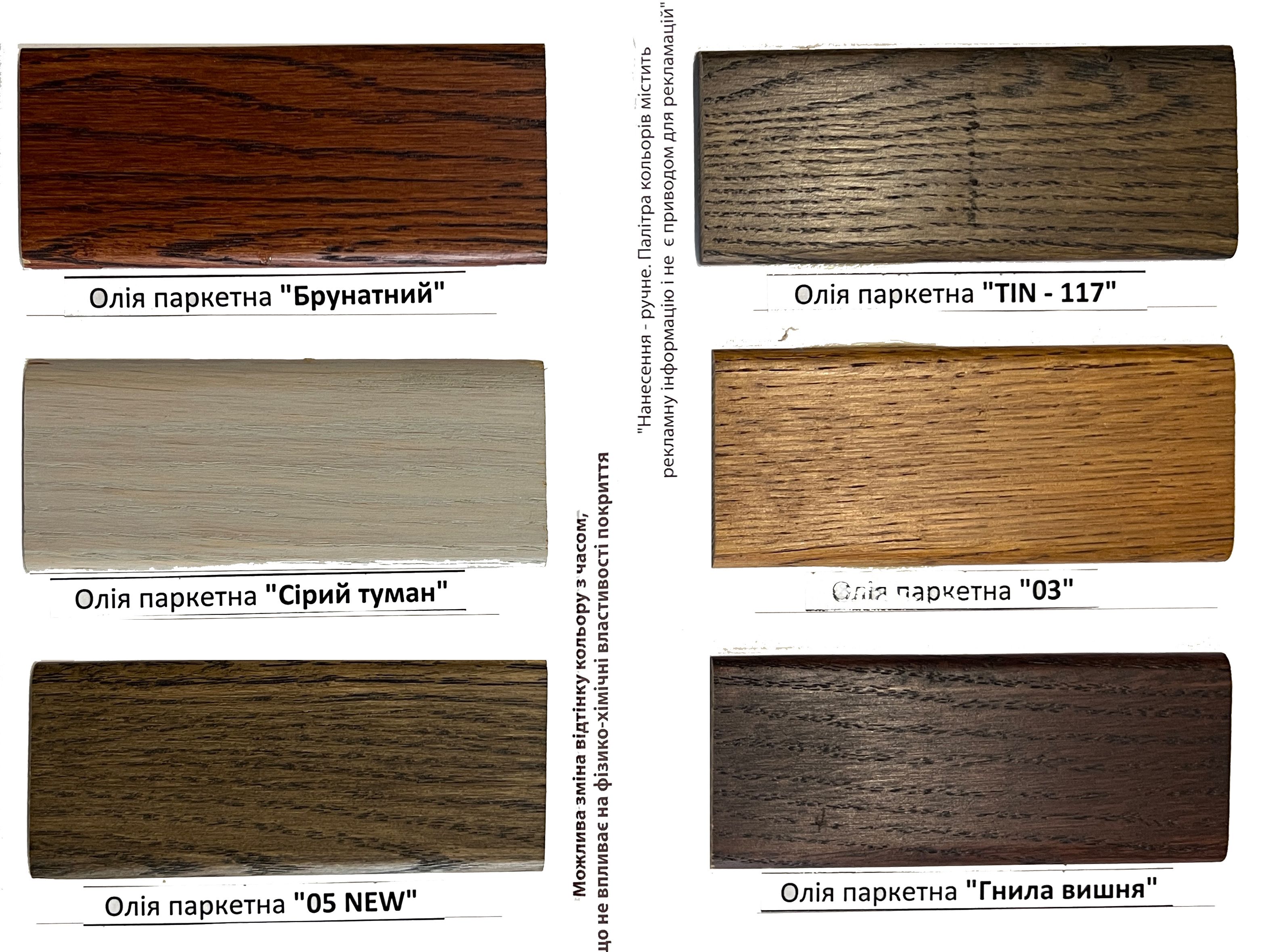
- Real tone. A physical sample shows more accurately how the color looks on wood.
- Texture. You can see whether the finish emphasizes the grain, pores and natural pattern.
- Comparison. Several shades can be compared side by side instead of being chosen separately.
- Lower risk. The customer better understands what result to expect in the finished product.
- Convenient for designers. Samples are easier to match with the interior palette.
Conclusion
The Borma Wachs color range helps choose not just a beautiful shade, but a practical finish for a specific type of wood, product and usage conditions. For oak furniture, this is especially important because the natural texture itself is part of the design.
The most reliable way to choose a color is to view physical samples on real wood, evaluate them under different lighting and compare them with the materials in the interior. This helps avoid a random choice and gives furniture that looks natural, durable and harmonious.
FAQ: Borma Wachs Color Samples
Why should Borma Wachs color be viewed on a physical sample?
A photo cannot show the exact tone, depth, saturation and interaction of the finish with the wood texture. A physical sample gives a more accurate impression of the real result.
Does the same color look identical on oak, ash and pine?
No. Different wood species have different density, grain structure and natural base tone, so the same color may look different on each surface.
Where can I view Borma Wachs samples?
You can view the samples in the MebWood showroom in Lutsk at 32A Heroiv Riatuvalnykiv Street. Opening hours: Monday to Friday, 08:00–17:00.
Can I receive photos of the samples remotely?
Yes, a manager can send photos of the samples via a convenient messenger. However, for final color approval, a physical sample remains the more accurate option.
What products are Borma Wachs finishes suitable for?
Borma Wachs finishes can be used for furniture, tables, parquet, facades, decorative wooden items and restoration work.


Write a comment